
Seas and Oceans Surrounding New Zealand
New Zealand is surrounded by several major seas and oceans that strongly influence coastal climate and water conditions. These waters vary significantly in temperature depending on location, ocean currents and season, from warm tropical seas in the north to cooler southern and temperate regions. This page provides an overview of the seas, oceans and straits that border New Zealand, including their average water temperatures and general characteristics, helping to understand seasonal patterns and coastal water conditions across the country..
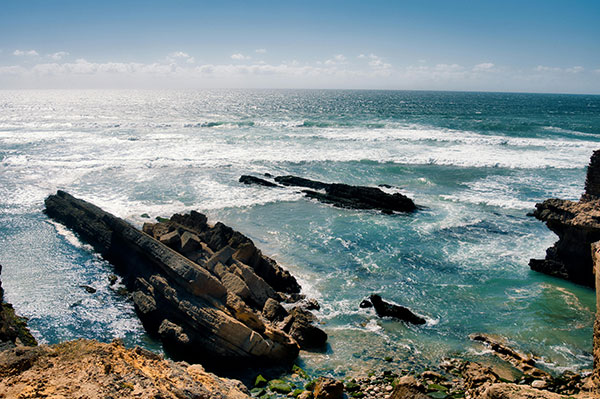
Seas and Oceans Around New Zealand: Water Temperature Patterns and Trends

New Zealand is surrounded by vast stretches of ocean, and water temperatures around the country vary quite a bit depending on where you are and the time of year. To the east and north lies the Pacific Ocean, while to the west and south the Tasman Sea and the Southern Ocean have a stronger influence. In general, coastal sea temperatures range from around 11–14°C in winter in the south, to 19–23°C in summer in the warmer northern regions. These differences shape the swimming season and the overall feel of the water from region to region.
Up in the far north, around places like Northland and the Bay of Plenty, summer sea temperatures often climb above 20°C, making for comfortable swims through much of December to March. Even in autumn, the water tends to hold its warmth for a while. Further south, including around Wellington and Canterbury, summer sea temperatures are typically closer to 15–19°C, which can still be swimmable on a warm day, though it feels noticeably cooler.
Along the west coast, facing the Tasman Sea, conditions can change quickly. Strong winds and ocean swells sometimes mix colder, deeper water up to the surface, causing short-term drops in temperature. In the deep south, influenced by the Southern Ocean, winter sea temperatures can sit near 10–12°C, and even in summer rarely reach the levels seen in the north. It’s proper refreshing down there, that’s for sure.
Because New Zealand sits in the path of major ocean currents, including warmer subtropical flows in the north and colder subantarctic waters in the south, local sea temperatures can shift from week to week. That’s why up-to-date measurements and short-term forecasts are so handy for planning a swim, surf, or a day out on the water. Whether you’re after a balmy dip or a brisk plunge, knowing the current sea temperature helps you decide if it’s sweet as or better to bring a wetsuit.